Skip to content
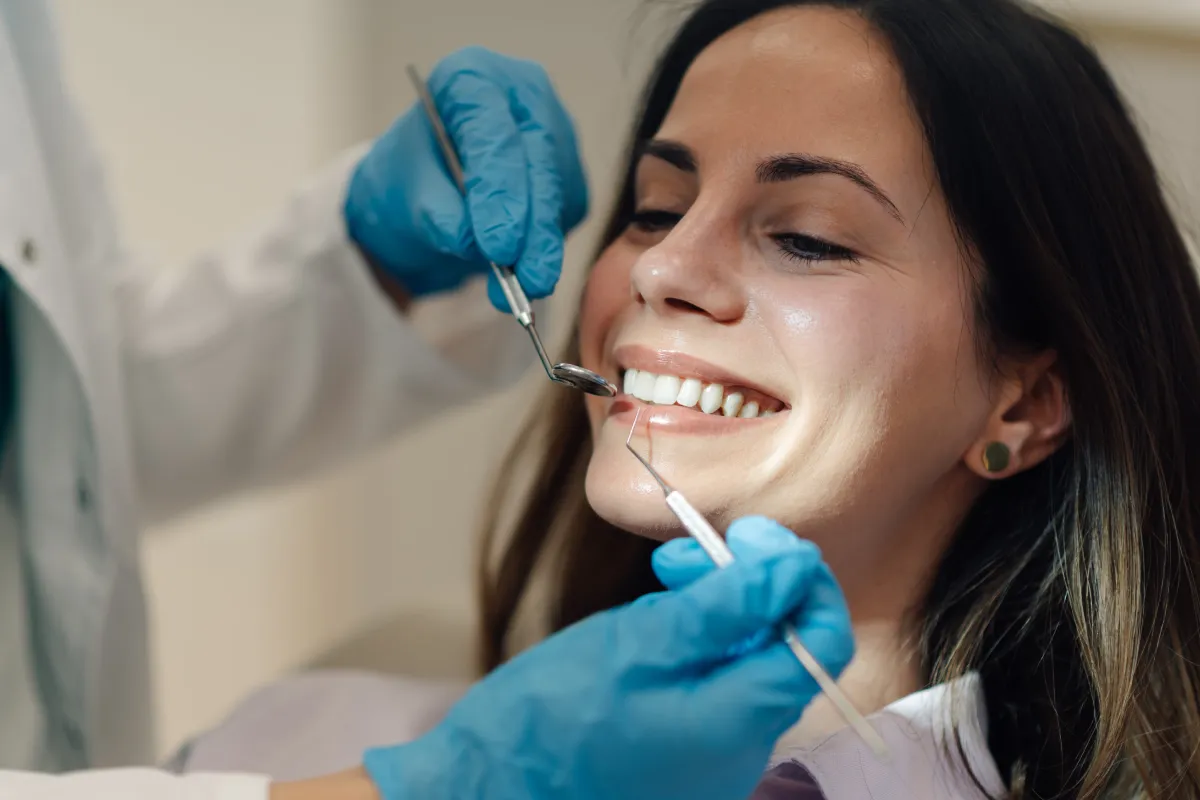
Table of Contents
A sore inside the mouth is easy to brush off. Most people bite their cheek, get a canker sore, or deal with irritation from a rough tooth at some point, and it heals without much thought. But every so often, a sore or a change in the mouth lingers longer than expected, and it becomes worth asking whether it needs a closer look.
Oral Pathology at Access Oral Surgery in Summerville, SC exists specifically to answer that question. This article covers why most mouth sores are nothing to worry about, the specific signs that do call for evaluation, and what that evaluation process actually involves.
Why Most Mouth Sores Are Not a Cause for Alarm
A few common, everyday causes explain the vast majority of mouth sores most people experience:
- Canker sores
- Minor trauma from biting the cheek
- Irritation from a rough tooth or dental appliance
These typically resolve within one to two weeks without any treatment at all. This article is not meant to create worry over every small sore. The goal is to clarify specifically when something is worth a closer look, since the normal lining of the mouth, called the mucosa, is smooth and coral pink, and most temporary irritation heals cleanly and predictably within that short window.
When a Mouth Sore or Tissue Change Needs Evaluation
This is worth stating plainly, since it is the most important thing to take away from this article. A few specific signs point to oral pathology for persistent oral abnormalities:
- A sore that lasts longer than two weeks
- A sore that keeps coming back in the same spot
- Any unexplained change in the color, texture, or size of the tissue lining the mouth
Other warning signs are worth taking just as seriously, including:
- Unexplained numbness
- Difficulty swallowing
- Persistent hoarseness
- A lump that does not go away on its own
Persistence beyond two weeks is the clearest, most actionable signal here. If a sore or change has been present that long, waiting further does not offer any real benefit.
When do persistent mouth sores or abnormal tissue changes need an oral pathology evaluation?
A sore or tissue change that lasts longer than two weeks, keeps recurring in the same spot, or looks different in color, shape, or texture from the normal smooth, coral pink lining of the mouth should be evaluated. This is exactly how conditions, including more serious ones, get identified while they are still manageable.
What an Oral Pathology Evaluation Actually Involves
An evaluation at Access Oral Surgery generally follows a few steps:
- Gathering your medical history and background on the affected area
- A direct examination looking for changes in color, shape, and texture in the mouth’s lining
- Radiographic imaging if the jawbone is involved, to check for changes in bone structure
- A biopsy, if needed, where a small tissue sample is removed and sent to a pathologist for microscopic examination
This is evaluating mouth sores and tissue irregularities the way it is meant to be done, through actual examination rather than guessing based on appearance. The examination step alone often answers a lot of questions and provides real reassurance. Each step builds on the last, so a provider only moves toward something like a biopsy when the visual exam and any imaging have not already provided a clear answer, which keeps the process no more involved than it needs to be for a given situation.
Why Early Evaluation Matters
Many oral conditions, including some of the more serious ones, are far more treatable when they are caught early. This is really the heart of why persistence matters so much as a signal to act. A condition identified in its early stages often calls for a simpler, less invasive approach than the same condition would require if it were allowed to progress further, which is part of why timing matters so much here.
An evaluation does one of two things, and both are genuinely useful. Either it provides reassurance that a sore or tissue change is benign, or it identifies a condition while it is still in an early, manageable stage. Waiting does not reduce anxiety about an unusual sore. It only delays getting an actual answer, whatever that answer turns out to be, and in the meantime, that same waiting period is time a treatable condition could have been addressed instead.
What Happens After an Evaluation?
If the tissue in question turns out to be benign, next steps are often simple, sometimes involving nothing more than monitoring the area or addressing an underlying irritant, like a rough tooth or ill fitting appliance, that may have caused it. In some cases, a provider may still recommend a follow up visit down the line, just to confirm that the area has healed as expected and nothing has changed since the original exam.
If a biopsy or further evaluation identifies something that needs treatment, a provider will contact you to schedule a follow up appointment, explain the diagnosis clearly, and outline what the next steps actually look like. Either way, having a definitive answer allows you to move forward with clarity instead of continuing to wonder.
Who Should Schedule an Oral Pathology Evaluation
A few situations point clearly toward scheduling oral pathology services for lesion diagnosis:
- A mouth sore lasting more than two weeks
- A sore that keeps recurring in the same location
- An unexplained change in oral tissue
- Numbness, a persistent lump, or difficulty swallowing alongside a tissue change
This is a proactive, sensible step to take, not something to fear or put off. Supporting the early detection of oral disease and abnormalities is exactly what this kind of evaluation is built for, and scheduling one is a reasonable response to a legitimate warning sign, not an overreaction.
Ready to Get Your Questions Answered?
If you have noticed a mouth sore that has lasted longer than two weeks, keeps returning, or any tissue change that looks unfamiliar, the team at Access Oral Surgery can provide the oral abnormality detection in Summerville, SC needed to get you a clear answer. Contact us to get started, and know that seeking an evaluation is the right call whenever something in your mouth does not look or feel the way it should. Request an oral pathology consultation today.