Skip to content
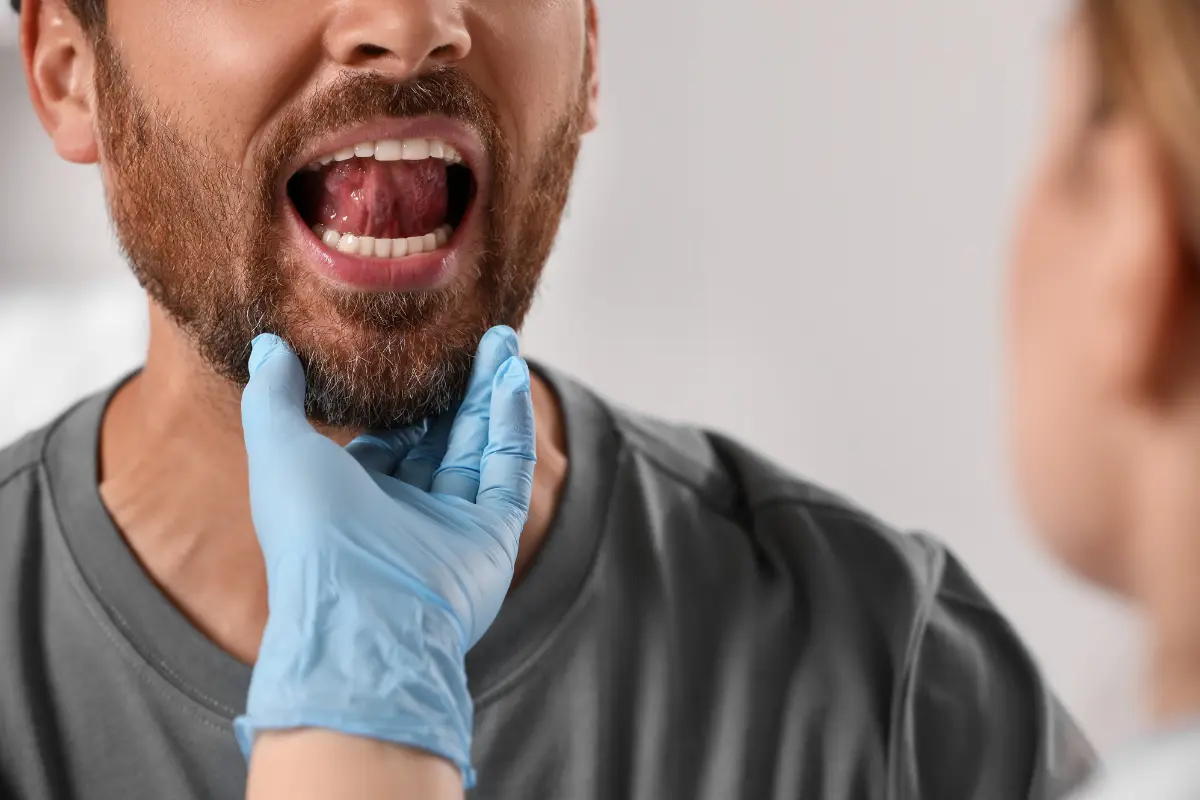
Table of Contents
A white patch appeared on the inside of the cheek a few weeks ago. It doesn’t hurt, isn’t raised, and honestly seems harmless. Maybe it’s from accidentally biting the area, or perhaps from that spicy food last week. The temptation to ignore it and see if it goes away on its own is strong.
White patches in the mouth are surprisingly common, but their causes range from completely benign to potentially serious. The problem is that most people can’t tell the difference just by looking. What seems like a minor irritation could be an early warning sign that needs professional evaluation.
At Access Oral Surgery, oral pathology assessments help identify exactly what those changes mean and whether they require treatment. Here’s why white patches and other oral tissue changes deserve attention rather than the wait-and-see approach.
What White Patches in the Mouth Actually Signal
White lesions of oral cavity come in different forms with various causes. Understanding the possibilities helps explain why professional evaluation matters.
Leukoplakia creates white patches that don’t wipe off and can’t be attributed to another specific cause. These patches develop from chronic irritation, tobacco use, or without any obvious trigger. While most leukoplakia patches are benign, some have precancerous changes that require monitoring or removal.
Oral thrush (candidiasis) is one of the oral fungal infections that creates white patches that can be wiped away, leaving red areas underneath. This yeast infection affects people with weakened immune systems, those taking certain medications, or anyone with conditions that disrupt normal oral bacteria balance.
Lichen planus causes lacy white patterns, often on the inside of cheeks. This immune-related condition can be uncomfortable and needs management to prevent flare-ups and complications.
Cheek biting creates white lines or patches along the bite line where chronic trauma thickens tissue. While usually harmless, persistent irritation in one spot should be evaluated to ensure nothing more serious is developing.
Chemical burns from aspirin placed against gums, whitening products left on too long, or other caustic substances create white patches that typically heal once the irritant is removed.
Oral cancer in early stages can appear as white patches, red patches, or mixed areas. These changes often have irregular borders, don’t heal, and may feel different than surrounding tissue. Early detection dramatically improves treatment outcomes.
The challenge is that these various conditions often look similar to untrained eyes. What appears to be simple irritation could be something requiring treatment, while an alarming-looking patch might be benign. Oral pathology evaluation provides the definitive answers.
Why Professional Evaluation Protects Long-Term Health
Most people don’t think about Oral Pathology until they’re worried. That makes sense, because it usually starts with something small and confusing. But getting an evaluation early can make a huge difference in both outcomes and stress levels.
Oral Pathology in Summerville, SC helps you:
- Get clarity instead of guessing: Many diseases of oral cavity look similar at first, and a trained eye is what separates a simple irritation from something that needs more attention.
- Catch issues early: If a lesion is precancerous or cancerous, earlier detection is strongly linked to better treatment options and better long-term results.
- Treat infections properly: Oral fungal infections can mimic other issues, and the right treatment depends on identifying the correct cause.
- Avoid worsening symptoms: When a patch is caused by friction or trauma, it can keep returning until the trigger is fixed.
- Protect long-term oral health: Even benign tissue changes can become painful, spread, or lead to scarring if ignored.
For many patients, the biggest benefit is simply having a plan, not a pile of anxiety and internet guesses.
Who Is This Best For?
Oral Pathology evaluations are helpful for a wide range of patients. You do not need severe symptoms to justify getting checked.
This is a smart next step if you:
- Have a white patch that lasts longer than 2 weeks
- Notice a spot that feels thick, rough, or raised
- Have soreness, burning, or tenderness in the area
- Get recurring mouth lesions in the same place
- Wear dentures or have dental work that rubs your tissue
- Use tobacco products or have a history of heavy alcohol use
- Have a weakened immune system
- Have unexplained swelling, lumps, or changes in the jaw
White lesions of oral cavity are common, and most are not dangerous. But because a few serious conditions can start the same way, it’s worth having a professional evaluate the area instead of waiting it out.
If you’re searching for oral pathology in Summerville, SC, an exam can help confirm what the patch is, why it formed, and what should happen next. Contact Access Oral Surgery to schedule an evaluation and get definitive answers about any oral tissue changes causing concern.
What Oral Pathology Evaluation Involves
The assessment process is thorough but straightforward, designed to gather comprehensive information without causing unnecessary discomfort.
Initial consultation involves detailed medical history review. The specialist asks about when changes first appeared, any symptoms experienced, tobacco or alcohol use, medications, and relevant medical conditions. This context helps interpret findings.
Visual examination comes next, with careful inspection of all oral tissues under good lighting. The specialist looks for color changes, texture differences, asymmetry, and other variations from normal healthy mucosa. They may palpate areas to assess texture and identify any masses beneath the surface.
Photographic documentation often happens to track changes over time. Having baseline images allows comparison during follow-up visits to see if lesions are growing, changing, or resolving.
If suspicious changes are found, biopsy provides definitive diagnosis. A small tissue sample gets removed under local anesthesia and sent to a pathology lab where specialists examine it microscopically. This reveals exactly what type of cells are present and whether any concerning changes exist.
Imaging studies may be ordered if bone involvement is suspected or if the lesion extends beyond visible surfaces. X-rays, CT scans, or other imaging helps assess the full extent of any problems.
Results come back typically within one to two weeks for biopsies. The specialist then discusses findings, explains what they mean, and recommends appropriate next steps whether that’s treatment, monitoring, or reassurance that nothing concerning was found.
Don’t Wait on Oral Health Concerns
White patches and other oral tissue changes deserve professional attention because the range of possibilities is too broad for self-diagnosis. What looks minor could be significant, while alarming appearances sometimes turn out to be benign. Only proper evaluation provides the clarity needed to make informed decisions about treatment and monitoring.
Early detection of serious conditions dramatically improves outcomes, while prompt treatment of benign issues prevents them from worsening or causing complications. The peace of mind that comes from knowing exactly what’s happening makes evaluation worthwhile even when results come back reassuring.
Talk to a specialist about any oral changes through oral pathology services at Access Oral Surgery. The team provides thorough assessment using advanced diagnostic techniques to identify problems early and recommend appropriate treatment when needed.