Skip to content
Table of Contents
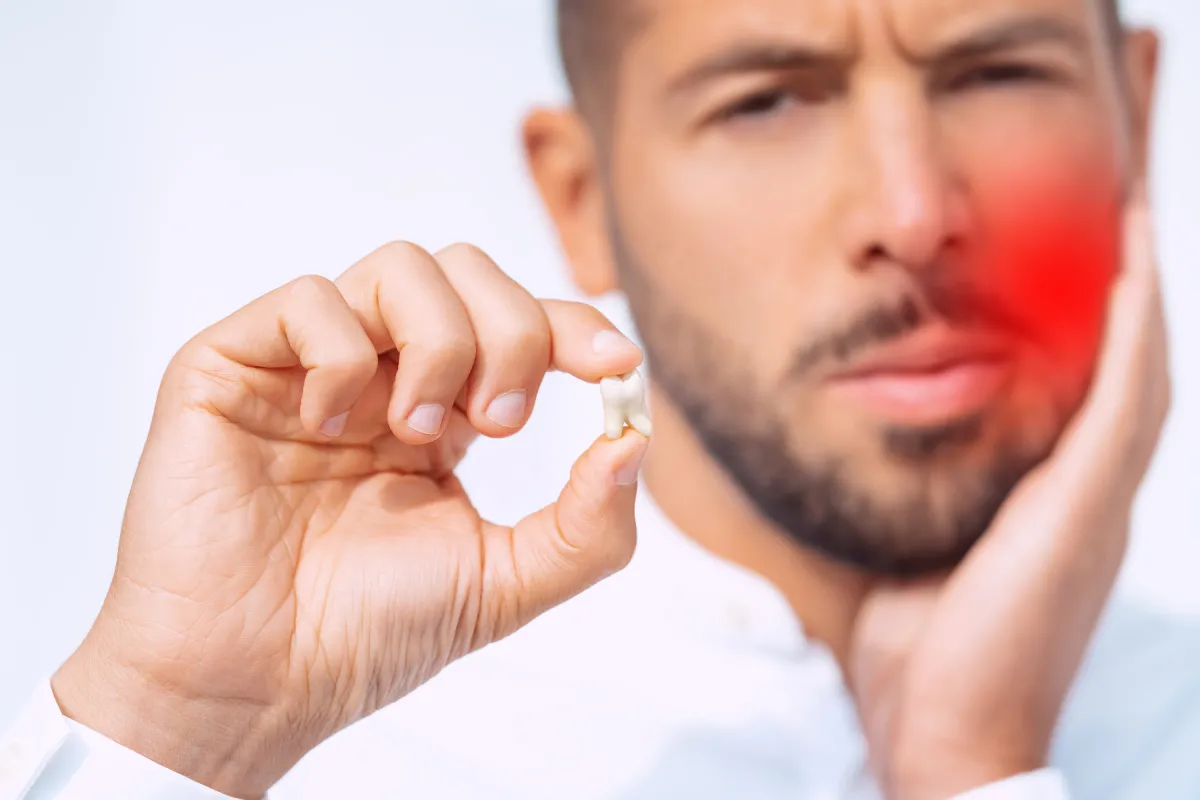
If you lost a tooth recently, the gap itself may feel like the only thing to deal with. However, if that space has been empty for months or years, changes happening in the jawbone underneath can shape your options for dental implants later on. This bone loss after missing tooth is gradual, so many people don’t realize it’s happening until they start asking about replacement.
Many patients at Access Oral Surgery in Summerville, SC, ask why the timing of tooth loss matters for implants. The jawbone needs tooth roots to stay strong, so we always check bone volume during implant evaluations.
What Happens to the Jawbone After a Tooth Is Lost
Your jawbone stays strong because your teeth help keep it active. When you chew, gentle pressure travels through each tooth root into the bone, telling your body to maintain that bone.
When a tooth is missing, the stimulation ends, and your body slowly starts to break down the bone that’s no longer used. This usually begins in the first few months after losing a tooth, but how much and how quickly it happens is different for everyone.
How Bone Loss After a Missing Tooth Can Affect Your Mouth
The Jaw Ridge
The bone ridge where your tooth used to be can get smaller in both height and width over time. This means there may be less bone to support future dental treatments.
Neighboring and Opposing Teeth
When a tooth is missing, nearby teeth might move or tilt into the empty space, and the tooth above or below can also shift. This can change how your teeth fit together when you bite.
Facial Support
When several teeth are missing, bone loss may reduce support for the lips and cheeks, making the lower face look less full. Many patients searching for preventing facial collapse and bone shrinkage with implants are noticing these changes, though the effect varies widely.
Why Jawbone Health Matters for Dental Implants
A dental implant begins as a small titanium post placed in your jaw. Over about two to four months, the bone grows around it and holds it in place. This process, called osseointegration, needs enough healthy bone to succeed. An oral surgeon considers a few key factors when planning dental implants:
- The height, width and density of the bone at the implant site
- The location of the missing tooth, including how close it sits to the sinus in the upper back jaw
- The health of the surrounding gums and teeth
Your oral surgeon gathers this information through an exam and imaging.
When Bone Grafting or a Sinus Lift May Be Recommended
If there isn’t enough bone, bone grafting might be suggested to rebuild the area before or during implant placement. In the upper back jaw, where the sinus is close to the bone, a sinus lift may be needed to make space for new bone. Our sinus lift procedure helps prepare this area when the bone is too thin.
Not everyone needs these procedures. Your oral surgeon will explain if one is recommended for you and why.
How Dental Implants May Help Support the Jawbone
Because dental implants sit in the jaw much like a natural root, they may help stimulate and preserve the surrounding bone. This is part of why dental implants for preventing jawbone deterioration after tooth loss are often discussed during consultations, though no treatment can fully stop natural changes in the jaw over time.
At Access Oral Surgery, implant-supported solutions for jawbone preservation include:
- Single-tooth implants: For replacing one missing tooth, from root to crown
- Implant-supported bridges: For several missing teeth in a row, anchored by two or more implants
- Implant-retained dentures: For patients missing many teeth who want a more stable fit than traditional dentures
Most treatments take about three to six months, depending on your treatment plan and how your bone heals.
Why an Early Evaluation Can Help
Being evaluated soon after tooth loss or an extraction may mean more bone is still available. In some cases, implants can even be placed at the time of extraction, which is one approach to addressing post-extraction bone loss with implant therapy before significant changes develop.
That said, waiting doesn’t automatically rule implants out. People who have been missing teeth for years can still be evaluated, and bone grafting may help expand their options. If you’re looking into jawbone loss treatment in Summerville, SC, an evaluation is the clearest way to understand where you stand today.
Frequently Asked Questions
How soon does bone loss start after losing a tooth?
Bone changes usually start within the first few months after losing a tooth, but how quickly and how much bone is lost can be different for everyone.
Can I still get dental implants if I have bone loss?
In many cases, yes. If there isn’t enough bone, bone grafting or a sinus lift might be suggested to prepare the area before or during implant placement.
Do dental implants stop bone loss?
Implants can help keep the surrounding bone healthy by stimulating it like a natural tooth root, but they can’t completely stop natural changes in the jaw over time.
How do I know if I have enough bone for an implant?
During your consultation, your oral surgeon will check your bone height, width, and density using an exam and imaging.
Why is jawbone loss important for dental implants?
Dental implants need enough healthy bone to stay secure. If bone shrinks after losing a tooth, it can change where and how an implant is placed, and bone grafting might be needed. An evaluation will help find the best plan for you.
Does the bone in my jaw shrink after an extraction?
The bone in your jaw can gradually shrink after an extraction or tooth loss, because it no longer receives stimulation from a tooth root, and these changes often begin within the first months. Since dental implants need enough healthy bone to fuse with, an oral surgeon typically checks bone volume first, and bone grafting may be recommended when bone is limited, though every case varies.
Ready to Explore Your Tooth Replacement Options?
At Access Oral Surgery in Summerville, SC, Dr. McKinney evaluates your bone, your gums and your goals before recommending a plan, and we welcome patients from Summerville, Nexton, Goose Creek and Cane Bay. Contact us with any questions about your next steps. Explore our dental implants options today.
About the Author
Written and reviewed by Dr. Adam McKinney, DMD | Access Oral Surgery
Dr. Adam McKinney is a board-certified oral and maxillofacial surgeon who treats patients at Access Oral Surgery in Summerville, SC. After earning his dental degree at the Medical University of South Carolina, he completed his oral and maxillofacial surgery residency at Naval Medical Center San Diego. He is a Fellow of the American Association of Oral and Maxillofacial Surgeons, and his clinical interests include dental implants, bone grafting, wisdom tooth removal, corrective jaw surgery and facial trauma care.
Learn more: Meet Dr. Adam McKinney
Last reviewed: October 2026