Skip to content
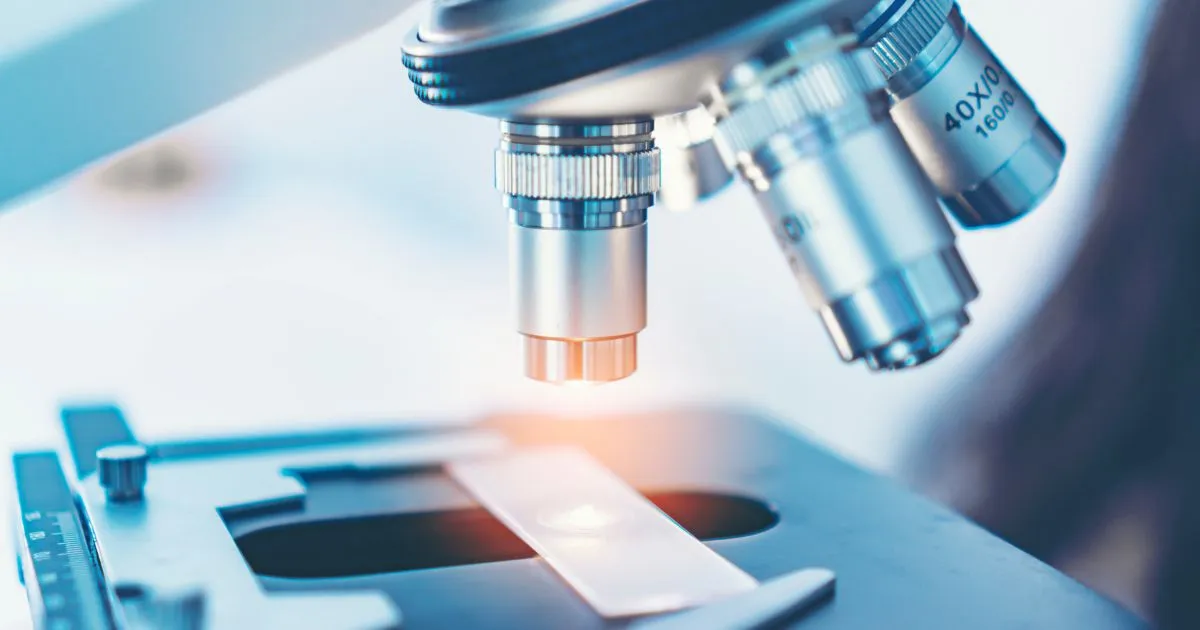
Table of Contents
Hearing that you need a biopsy can bring up a lot of emotions, even if your oral surgeon is simply being thorough. The good news is that most oral biopsies are straightforward, and aftercare is usually simple once you know what to do. At Access Oral Surgery, our team performs Biopsies In Summerville, SC, to help identify what is happening in the tissues of the mouth, tongue, cheeks, lips, or other areas.
Here are practical aftercare steps that support smoother healing, what to expect during the first few days, and the warning signs that mean you should call your provider.
What A Biopsy Really Is And Why It Matters
If you have ever wondered What is a biopsy test, it helps to keep the definition simple. An oral biopsy is a procedure where a small piece of tissue is removed so it can be examined under a microscope. That tissue sample can help your oral surgeon confirm what is causing a sore, lump, color change, or other suspicious finding.
Oral surgeons, like Dr. McKinney, do more than treat teeth. They also evaluate head and neck health and can spot concerns that may relate to broader health issues. In some cases, a biopsy is performed as part of a Biopsy for cancer diagnosis, since early detection can make a real difference in outcomes.
The Basics Of A Biopsy Procedure
Your exact Biopsy procedure can vary based on where the tissue is located and how large the area is. In oral surgery settings, your provider may recommend different approaches depending on what they see during an exam and what needs to be tested.
You might hear your surgeon mention Types of biopsies, including options that remove tissue in different ways. A common comparison people ask about is Needle biopsy vs surgical biopsy. In the mouth, many biopsies are done as a small surgical sampling, often with local anesthetic, because it allows direct access to the area and a clear tissue specimen for the lab. Your surgeon will explain what is appropriate for your situation.
After your sample is taken, it is sent to a lab for evaluation. When results are available, your oral surgeon will review them with you and may recommend follow-up with a primary care provider or a specialist, such as McKinney, depending on the outcome.
What To Expect Right After Your Biopsy
Most people notice mild soreness and a small amount of bleeding or blood-tinged saliva at first. It is also common to feel numbness for a couple of hours if a local anesthetic was used, so be cautious with hot food and accidental cheek or tongue biting.
Your Biopsy recovery time depends on the biopsy size, the location, and your overall health. Many patients feel noticeably better in a few days, though complete tissue healing can take longer.
Day-Of Aftercare: Protect The Clot And Keep Things Calm
The first 24 hours are mostly about letting the area settle. Avoid vigorous rinsing, spitting, or anything that disturbs the clot on day one.
A few helpful day-of tips:
- Keep activity light. Strenuous movement can increase throbbing or bleeding.
- If swelling is expected, use cold compresses on the outside of the face on the first day to help limit swelling.
- Eat soft, gentle foods and avoid sharp, crunchy, spicy, or very hot items that can irritate the site.
If you have minor bleeding, steady pressure with gauze for a short period is usually enough. If bleeding does not stop, contact your provider.
The Next Day And Beyond: Clean Gently, Do Not Irritate The Site
Starting the day after surgery, gentle warm saltwater rinses several times daily, especially after meals, can help keep the area clean and comfortable. Saltwater rinses are typically preferred over alcohol-based mouthwashes, which can irritate healing tissues.
Oral hygiene still matters, but it should be careful:
- Brush normally, but be gentle near the biopsy area.
- Try not to chew directly on the biopsy site early on.
If stitches were placed, they are often dissolvable and may disappear on their own within about a week, though timing can vary.
Pain, Swelling, And Foods That Tend To Go Down Easier
Mild to moderate soreness is expected for many patients. Over-the-counter pain relief may be appropriate, but you should follow your surgeon’s guidance, especially if you take other medications.
For swelling or tenderness, cold packs early on can help, and some instructions transition to warm compresses after the first day or two.
Food-wise, think soft and gentle. Yogurt, eggs, smoothies eaten with a spoon, soups that are not too hot, and well-cooked pasta can be easier while the area is sensitive. Straws are often discouraged early on because suction can aggravate bleeding.
The Two Biggest Healing Killers: Tobacco And Alcohol
If you want the cleanest, calmest healing process, avoid smoking. Smoking can slow healing and irritate the biopsy site, especially during the first few days.
Alcohol can also irritate tissues, and alcohol-based mouthwashes are usually discouraged after oral procedures.
When To Call Your Oral Surgeon
It can be hard to know what is normal versus what needs help. Contact your provider if you have bleeding that does not stop with pressure, worsening swelling that concerns you, increasing pain after initial improvement, fever, or any issue that feels out of proportion to what you were told to expect.
Ready To Talk Through Your Next Steps?
Biopsy healing is usually a short chapter, but it is still one you want to handle carefully. Keep day one calm, start gentle saltwater rinses when advised, stick with soft foods, and avoid tobacco and alcohol so your mouth can recover without extra irritation. If you have questions about results, next steps, or what aftercare should look like for your specific situation, Access Oral Surgery is here to help.